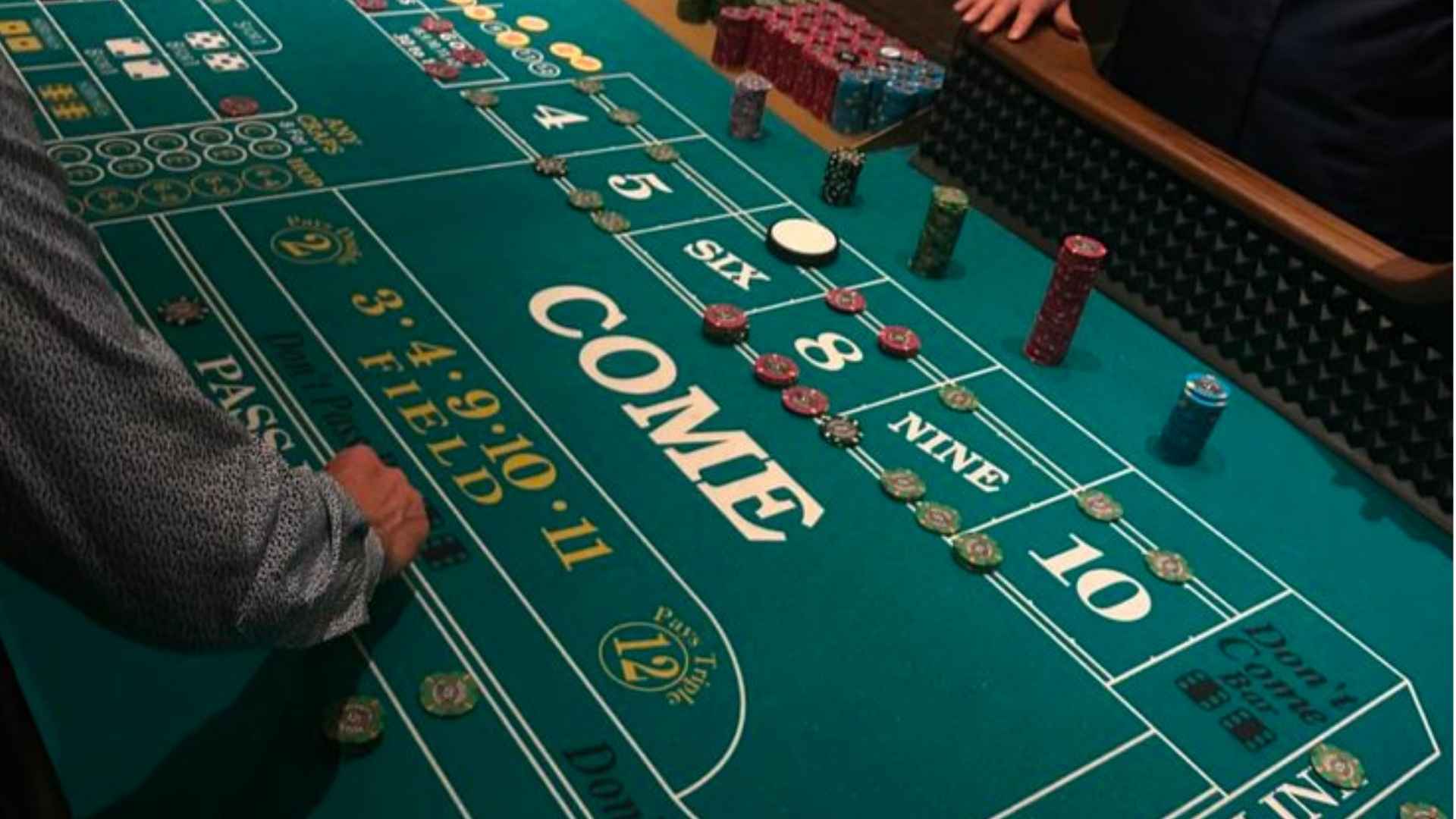
Random reward systems have become a fascinating component of modern digital design, transforming how audiences engage with online platforms. Among the various mechanics used to deliver these incentives, prize wheel games stand out due to their simplicity and immediate visual appeal. By combining elements of chance with clear psychological triggers, these turning segments capture attention and maintain user interest across many different applications.
The Psychology behind Randomized Incentives
The human brain responds uniquely to variable rewards, which are incentives delivered on an unpredictable schedule. When the outcome of a spin is uncertain, the anticipation creates a higher level of engagement than fixed or predictable bonuses. This variable pattern encourages users to participate multiple times, as the desire to discover what comes next remains persistently strong.
Furthermore, the visual representation of a wheel dividing different prize options plays an essential role in this process. Users can see every possible outcome, which establishes a feeling of near-misses when the pointer lands just beside a major reward. This visual feedback intensifies the entertainment value, transforming a simple selection process into a dramatic story of chance.
Analyzing the Mechanics of Digital Wheels
While classic mechanical wheels relied entirely on physics, modern digital versions operate using complex software algorithms. These random number generators ensure that every single spin is completely independent of the previous result. Understanding this technical aspect helps participants form realistic expectations, moving away from common misconceptions regarding winning streaks or overdue payouts.
Many reputable entertainment hubs utilize verified algorithms to assure players that the underlying system remains fair and consistent. Platforms like m88 m88lu.io apply these structured principles to maintain transparency within their interactive prize features. When users trust that the system operates correctly, their overall comfort and willingness to interact with the platform increase significantly.
Balancing Entertainment and Value Distribution
An effective random reward system must carefully distribute value across all available segments of the wheel. Designers usually include a mix of frequent small bonuses, occasional mid-tier prizes, and highly rare grand rewards. This layered structure ensures that most participants receive some form of validation, keeping the experience satisfying over longer sessions.
Moreover, the utility of the lower-tier rewards decides whether the game remains viable in the long run. If the most common outcomes provide practical benefits, such as platform points or minor discounts, users feel their time is respected. A balanced distribution protects the sustainability of the system while providing genuine value to the community.
Best Practices for Approaching Spin Games
To get the most out of these chance-based systems, individuals should approach them with a clear strategy and realistic boundaries. Setting a strict limit on time or participation numbers ensures that the activity remains an enjoyable pastime rather than a stressful obligation. Recognizing that randomness is the core feature allows you to appreciate the surprise without frustration.
Ultimately, exploring these interactive wheels reveals how effectively surprise can enhance ordinary digital platforms. When designed with fairness and balance in mind, random prize systems provide a memorable way to discover new content and benefits. Viewing them as interactive entertainment ensures a positive experience with every single turn.