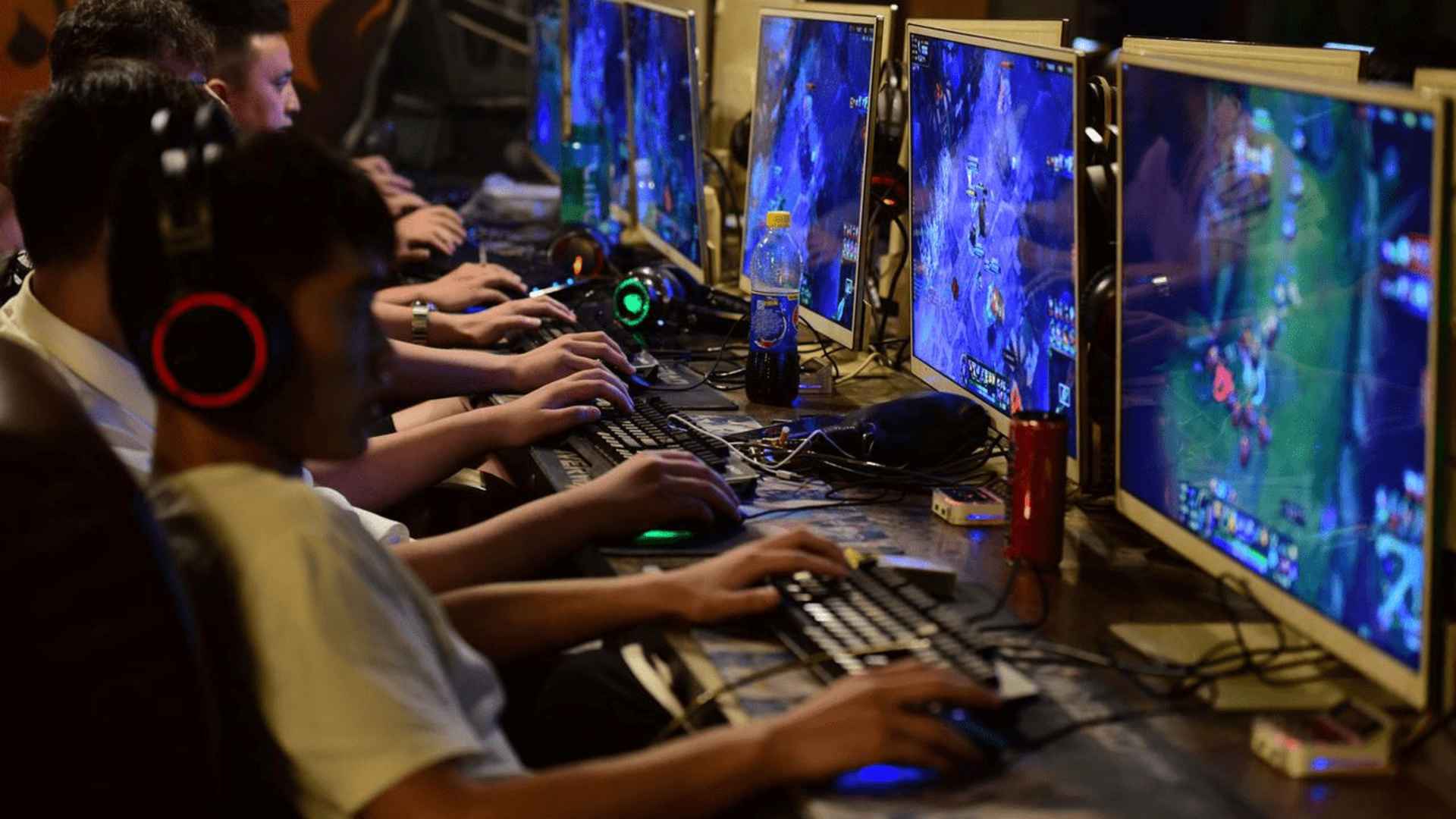
The modern gaming world has witnessed a massive shift toward collaborative experiences that bring people together across various distances. Instead of focusing strictly on fierce rivalries, developers are designing complex virtual worlds where mutual support is the key to progress. This evolution ensures that players can enjoy long-term engagement while building strong relationships with their teammates.
The Core Elements of Collaborative Gameplay
Successful cooperative gaming relies on shared goals that require diverse skill sets to achieve. Players must learn to sync their unique abilities, distribute resources efficiently, and look out for one another during intense challenges. This high degree of coordination transforms standard mechanics into deep bonding experiences that keep communities vibrant.
Furthermore, these environments foster a welcoming atmosphere where newcomers can easily learn from seasoned veterans without intense pressure. By emphasizing shared victories over individual glory, these titles reduce the stress often found in competitive arenas. As a result, the community thrives on mutual encouragement and continuous learning.
Designing for Infinite Longevity
To maintain endless appeal, modern cooperative systems implement dynamic content loops and procedurally generated challenges. Developers continuously introduce fresh missions, seasonal events, and evolving storylines to keep the community actively involved. This strategy ensures that no two sessions feel identical, even after hundreds of hours of play.
Another vital factor is the introduction of sophisticated progression systems that reward collective milestones. When a group unlocks exclusive items or updates a shared base, it reinforces their sense of unity and shared history. To explore high-quality digital platforms that offer engaging interactive options, you can check out M88bet for diverse online entertainment. These reward systems ensure that every participant feels valued regardless of their specific role.
Building Essential Real-World Skills
Engaging in complex team missions helps individuals develop crucial cognitive abilities that carry over into daily life. Participants learn to communicate under pressure, resolve internal conflicts quickly, and adapt their strategies to unpredictable obstacles. These virtual spaces effectively serve as interactive platforms for strengthening soft skills like leadership and empathy.
Moreover, the requirement for constant adaptation teaches groups how to manage diverse viewpoints constructively. A successful mission often requires combining aggressive tactics with careful defensive planning, forcing players to appreciate different playstyles. Ultimately, these interactive journeys demonstrate the incredible power of unified teamwork in overcoming any challenge.